
When a marriage is ending, the leaky faucet, the aging roof, and the cracked driveway tend to fall to the bottom of everyone’s list. That is completely understandable. But deferred maintenance does not disappear when you stop thinking about it. It shows up later, at the worst possible time, in the form of a lower sale price, a renegotiated deal, or a fight over who pays. In a divorce, that cost lands on both spouses. Here is how to keep it from quietly eroding your shared equity.
Why Deferred Maintenance Divorce Home Sale Issues Arise
It happens for reasons that make perfect sense. The couple may have stopped investing in a home they know they are leaving. Money may be tight while two households are suddenly being funded on the same income. One spouse may have moved out, leaving the other to manage a home alone. And in a high-conflict split, neither party wants to spend money that might benefit the other.
The result is the same regardless of the reason: small problems that were never addressed grow into bigger ones, and the bill comes due when the home goes to market.
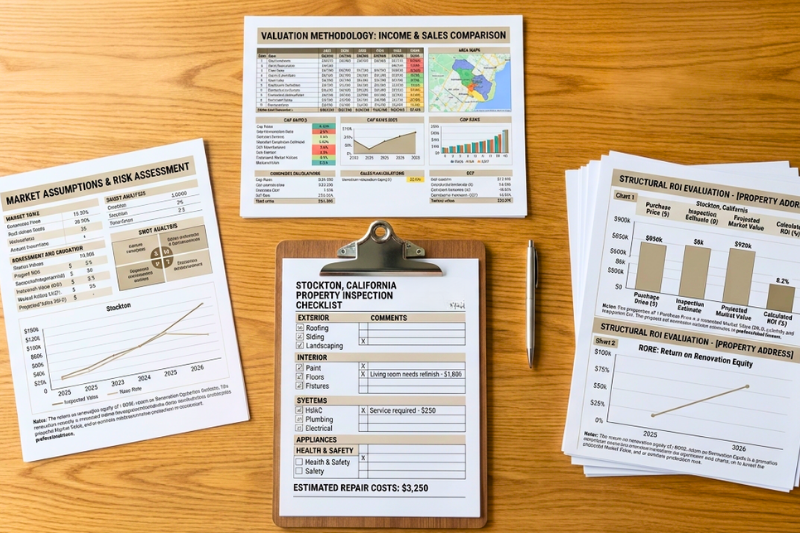
How Home Repairs Divorce California Delays Drain Equity
Deferred maintenance hits the sale in several ways, and most of them reduce what both spouses ultimately take home.
- Lower offers from the start. Buyers notice condition. A home that shows signs of neglect, worn flooring, dated systems, visible wear, draws lower offers, because buyers price in the work they assume they will have to do, usually more generously than the actual cost.
- Inspection surprises. Even if a buyer makes a strong offer, the inspection often surfaces the problems that were ignored. That can lead to repair demands, credits, or a price reduction, and sometimes to a buyer walking away entirely.
- Appraisal and financing issues. Certain conditions can affect an appraisal or a buyer’s ability to finance, especially health and safety items. A deal can stall or collapse over repairs that would have been far cheaper to handle in advance.
- A longer time on market. Homes in poor condition tend to sit longer, and in a divorce, time is money. Every extra month means more mortgage payments, taxes, insurance, and maintenance, all coming out of the same equity you are trying to divide.
The Decision: Repair, Credit, or Sell As-Is
There is no single right answer, and the best choice depends on your home, your market, and your situation. The realistic options are:
- Make targeted repairs before listing. Often the highest-return move, especially for inexpensive fixes that remove buyer objections and inspection leverage. The key word is targeted. You are not renovating, you are removing reasons for buyers to discount.
- Offer a credit instead of repairing. Sometimes it makes more sense to price the home accordingly or offer a repair credit, particularly when neither spouse can coordinate or fund the work.
- Sell strictly as-is. A legitimate path, particularly for distressed properties, but it usually means accepting a lower price and a different pool of buyers. Done with eyes open, it can still be the right call.
A divorce real estate professional can help you and your attorney run the numbers on each path, so the decision is based on what actually nets the most for both parties rather than on avoidance or guesswork.
Why a Neutral Recommendation Matters
In a divorce, even repair decisions can become contested. One spouse may want to invest in the home, the other may refuse to spend a dime. A neutral Certified Divorce Real Estate Expert can lay out, with data, what specific work would likely return at sale and what would not, so both parties are deciding from the same honest picture. When the recommendation is neutral and grounded in the local market, it is far easier for two people who disagree about everything else to agree on what to do with the house.
Local Condition, Local Buyers
What buyers expect and reward varies by submarket. Condition standards and buyer pools in central Stockton differ from Brookside, Lodi, Tracy, or Manteca. A repair that pays off handsomely in one area may not move the needle in another. Matching the condition decision to the actual local buyer is part of getting the most out of the sale, and it is something a local professional is positioned to judge.
Let’s Talk
If you are preparing to sell a home in a San Joaquin County divorce and you are not sure what to do about its condition, reach out. I will walk the property, give you and your attorney a clear, neutral read on what is worth addressing and what is not, and help you protect the equity you are both counting on.
Yes you can. With Lance McHan.
Maximize Equity on Your Home Sale Without Wasting Money on Unnecessary Repairs
Navigating a deferred maintenance divorce home sale requires clear, objective guidance to distinguish necessary repairs from money traps. Protect your equity with a neutral, data-driven pre-sale evaluation tailored specifically for San Joaquin County real estate.
This article is for educational purposes only and is not legal advice. For guidance specific to your situation, consult a licensed family law attorney